

Ending a Lease Early in Alberta: What Are the Rules in 2026?

Posted by on Dec 15, 2025 in Blog, Real Estate Law
Life happens, and whether you are a landlord or a tenant, certain situations may have you considering ending a lease early.
But how does this work in Alberta? What are the rules?
Generally speaking, a lease agreement is a legally binding contract. However, there are certain instances where leases can be ended early provided they are done so with proper reasoning and notice.
Before you sign a lease agreement, and especially before you decide to end one, please read the information we have provided below regarding ending a lease early in Alberta. If you need assistance, contact Heritage Law today.
Grounds for Ending a Lease Early
Even though lease agreements are legally binding contracts, it is possible for a landlord or tenant to end a lease early. However, there are very specific legal grounds in Alberta for breaking a lease:
- The agreement was breached by either the landlord or tenant.
- The tenant and landlord agree to end the lease agreement.
- The tenant finds someone to take over the lease agreement (not sublet).
- The Residential Tenancy Dispute Resolution Service (RTDRS) or courts issue an order ending the lease agreement early.
- The tenant is a victim of sexual or domestic abuse.
- The landlord decides to end the tenancy with a specific reason and with proper notice.
However, ending a lease agreement depends entirely on the type of lease that has been signed: a fixed-term lease or a periodic-term lease.
Ending a Fixed-Term Lease
A fixed-term lease is exactly as it sounds: there is a specific end date which is most commonly after one year. Typically, after one year, the tenancy continues on a month-to-month basis. However, it’s possible that the tenant must move out or sign a new tenancy agreement in order to stay.
This is why reading the terms of your tenancy is important in understanding what happens when the fixed-term has ended.
If you are a landlord, there is no need to provide a notice of termination of the tenancy if the agreement states the tenant must move out at the end of the term. However, it is courteous to provide a reminder before the agreement expires.
The same goes for the tenant, since the end date is already specified in the rental agreement. Continuing the lease after the term has ended is up to both the landlord and the tenant.
Ending a Periodic-Term Lease
On the other hand, a periodic-term lease is an agreement for an indefinite period of time. These are typically year-to-year or month-to-month leases that automatically renew at the end of the agreed upon period.
In a periodic lease agreement, a tenant cannot move out without providing proper notice.
If tenants fail to give proper notice, they may be responsible for paying rent until the date the unit is rented to another tenant or the earliest termination date if notice had been given – whichever date occurs first.
A landlord can end a periodic lease agreement in the following situations:
- The landlord or a relative of the landlord wants to move in.
- The landlord is selling the rental property and the buyer (or relative) want to move in.
- The landlord intends to demolish the rental property.
- The landlord intends to use or rent the rental property for a non-residential purpose.
In any of these situations, the landlord is only required to provide notice of eviction depending on the nature of the agreement (for example, a month-to-month lease agreement would require 20 days).
In the case of major renovations, the landlord can end the tenancy to vacate the rental unit – this does not include repainting, replacing flooring, or conducting routine maintenance.
Written notice is required to end a periodic-term lease.
What Happens if a Tenant Leaves Early?
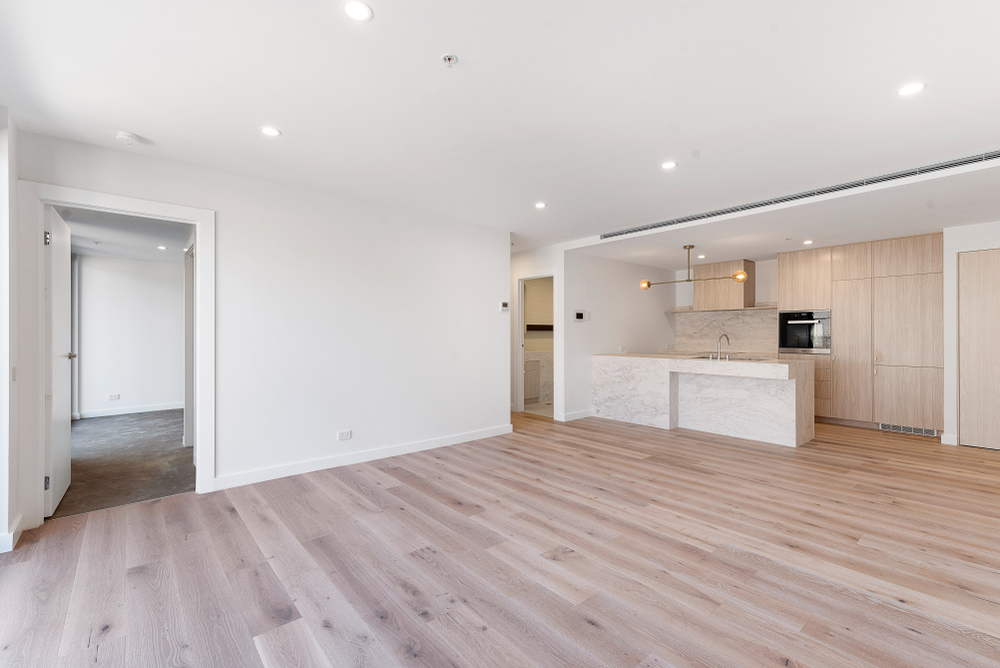
There are many legitimate reasons a tenant may leave early and break a lease. For instance, they may be required to move away for work.
There are two scenarios that can happen in this case: The tenant may give you advanced notice or they may give you no notice at all.
If they do give you proper notice before the lease expires, it’s in your best interest to work with them and ensure their transition from the unit goes smoothly.
However, you still have to cover yourself financially so getting advanced notice is helpful in ensuring that you can find a new tenant as soon as possible.
When a tenant breaks a lease with no notice, things can get messier. By law, you are required to make reasonable efforts to rent the empty unit even if a tenant breaks their lease and leaves early. Yet, if no tenant is found, you can approach the former tenant from a legal standpoint and have them be responsible to pay the rent until the end of the term in the lease agreement – or if you find a replacement tenant.
Ultimately, however, if you breach a rental agreement or lease, the tenant has the right to leave before the end of the agreement.
Ending a Lease Early With Proper Notice
Tenants generally must give 30 days’ notice or more before vacating the premises. This gives the landlord time to find a new tenant.
The 30 days notice should be given at the beginning of the month and rent should be paid for that month. In some cases, the tenant could be responsible for paying rent up until the end of the lease or agreement if the unit is not occupied.
In the province of Alberta, required notices must be delivered in person or by registered mail. If the tenant cannot be reached via these methods, a notice can be posted in plain sight on the rental premises.
If all else fails, a notice can be sent through electronic means, such as an email, as long as there is a physical copy of the notice.
What About Commercial Leases?
The rules discussed above apply only to residential leases governed by Alberta’s Residential Tenancies Act. Commercial leases are treated differently and are not subject to the RTA.
Instead, commercial tenancies in Alberta are governed primarily by:
- The terms of the lease agreement itself.
- General contract law principles.
- In limited circumstances, the Commercial Tenancies Act.
Because of this, the ability to end a commercial lease early depends largely on what the parties agreed to in writing.
Ending a Commercial Lease Early
Unlike residential tenants, commercial tenants generally do not have a statutory right to terminate a lease early. A commercial lease may be ended before the end of its term only if:
- The lease contains an early termination or break clause;
- The landlord and tenant mutually agree to terminate the lease; or
- One party has committed a fundamental breach of the lease that justifies termination under contract law.
If a tenant vacates the premises without a legal basis, the landlord may be entitled to claim damages for unpaid rent and other losses.
Notice Requirements
There are no standard notice periods set out in legislation for ending a commercial lease early. Any notice requirements are determined by the lease itself. If the lease does not allow for early termination, notice alone will not be sufficient to end the tenancy.
Assignment and Subletting
Commercial leases often restrict assignment or subletting and usually require the landlord’s written consent. Unlike residential leases, there is no automatic requirement that a landlord’s refusal be reasonable unless the lease says otherwise. Tenants should carefully review the lease terms before attempting to assign or sublet.
Duty to Mitigate
If a commercial tenant abandons the premises or breaches the lease, the landlord generally has a duty to take reasonable steps to mitigate losses, such as attempting to re-lease the space. However, commercial leases may modify or limit this obligation, depending on how they are drafted.
Key Takeaway
Ending a commercial lease early in Alberta is largely a matter of contract interpretation, not statutory rights. Because commercial leases can be complex and highly negotiated, both landlords and tenants should review the lease carefully and consider legal advice before taking steps to terminate a commercial tenancy early.
Ending a Lease Early – The Rules
There is a lot to consider when it comes to ending a lease early, whether it be by the tenant or the landlord.
When you are a landlord, it’s important to clearly state the details of the lease agreement in the contract. As a tenant, it’s equally important to read the terms and ensure you understand them.
If you do find yourself in a dispute over ending a lease early, you can contact the RTDRS (Residential Tenancy Dispute Resolution Service). They will help you resolve issues without having to involve the courts.
However, not all disputes regarding lease termination can be resolved peacefully.
For all legal matters related to lease agreements, it is recommended that you speak with our lawyer. Our team at Heritage Law can help you navigate such disputes as well as review your lease agreement with you to ensure you fully understand what you are signing.